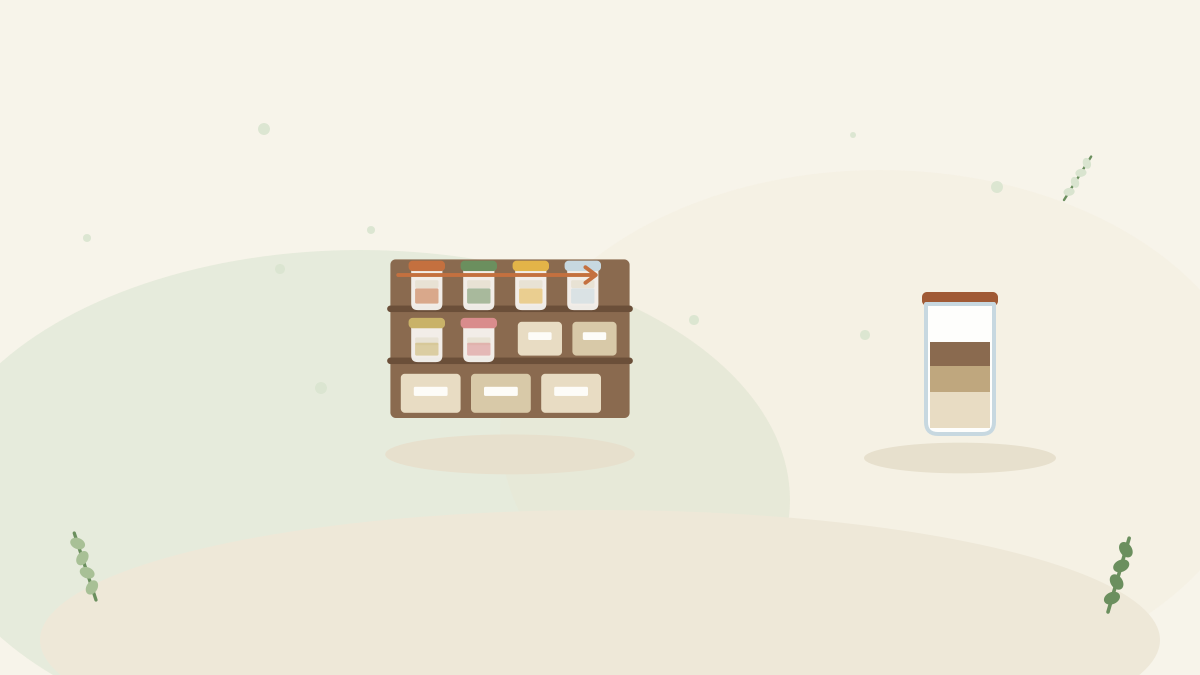
Every kitchen has one: the cupboard where things go in and do not come out. Somewhere behind the pasta there is a jar of something bought for a recipe made once in 2023, three partially used packets of the same lentils, and a tin whose label has faded. The back of a food cupboard is where good intentions expire — and the money and food lost there is substantial, quiet, and entirely preventable.
Organizing it is not really about containers, despite what the photographs suggest. It is about three things: making everything visible, keeping older items in front, and building a system that survives an ordinary week of cooking rather than one that looks good for a fortnight. This guide covers the clear-out, the zoning, the rotation habit that does most of the work, and the honest question of when decanting is worth it.
Start by Emptying It
The FAQ's method, because you cannot organise around what you cannot see:
- Take everything out. All of it, onto a table or worktop.
- Sort into four: out of date or spoiled (go); never realistically going to be used (food bank if unopened and in date, or pass on); used regularly (prime positions); used occasionally (higher or further back).
- Wipe the shelves while they are empty — the one chance you will get.
- Be honest about pile two. The specialist ingredient, the gift jar, the duplicate packets: these are what is occupying the space your everyday food needs.
- Note the duplicates as you go. Three half-packets of the same thing means it is on your shopping list by habit rather than by need — worth knowing.
Only now is it worth thinking about containers. Organising before decluttering just arranges the excess more neatly — the same point the bathroom and wardrobe guides make.
Storing Home-Grown Produce
A pantry earns extra value in a household that grows anything, because home-grown produce arrives in gluts and needs somewhere to go. The requirements differ from packet goods: onions and garlic want cool, dark, airy storage and keep for months when properly dried first; potatoes need dark, cool and ventilated conditions in paper or hessian rather than plastic, checked periodically so one rotting tuber does not spoil the rest; apples keep for weeks or months laid out so they do not touch, with damaged fruit used first; and squashes store well at room temperature once cured. Dried herbs, preserved gluts and frozen surplus all need labelling with contents and date, exactly as the freezer rule demands. The crucial habit is the same one that governs everything else in this guide: check stored produce regularly and use it in order, because the whole point of growing it is eating it rather than discovering it later.
Zoning: Group by How You Cook
Categories work when they match how you actually use food, not how a supermarket arranges it:
| Zone | Contents | Position |
|---|---|---|
| Everyday | What you reach for daily — staples, tea and coffee, cereal | Eye level, front, easiest reach |
| Cooking | Oils, vinegars, stock, spices, condiments | Near the hob where they are used |
| Baking | Flour, sugar, raising agents, chocolate | Grouped together — bring the whole zone out at once |
| Tins and jars | Tomatoes, beans, pulses, sauces | Shelf where labels stay visible; single depth if possible |
| Snacks | Whatever the household grazes on | Contained, and at a height that suits who should reach it |
| Bulk and occasional | Multipacks, party supplies, seasonal items | High shelves, top of cupboards, or elsewhere in the house |
| Use soon | Anything approaching its date | A dedicated tray or box at eye level — the most useful zone of all |
Group by category into containers or baskets so a whole zone lifts out together — this is what makes a deep cupboard usable, since you retrieve a category rather than excavating for one item.
The Rotation Habit
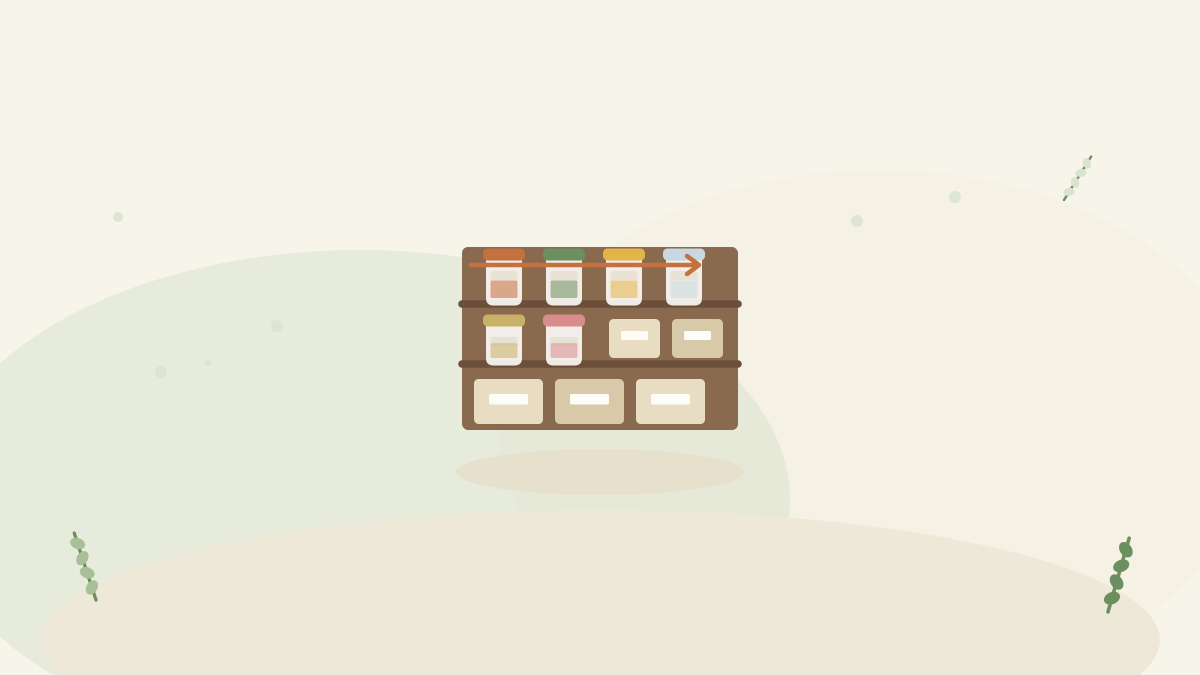
The FAQ calls this the single most important practice, and it deserves the emphasis: older in front, newer behind.
The reason food expires at home is almost never that it went off quickly — it is that newer purchases pushed it to the back. So when unpacking shopping, move existing stock forward and place new stock behind it. It takes seconds and it is the difference between a cupboard that consumes what it holds and one that quietly accumulates.
Two supports make it work. A "use soon" tray at eye level gives anything approaching its date a visible home, which is the same intercept-the-problem logic the food waste guide applies to the fridge. And the cupboard must not be overfull — rotation is impossible when nothing can be moved, which is why decluttering comes first and why buying in bulk beyond your storage capacity is a false economy.
Decanting: When It Earns Its Place
The FAQ's balanced answer, made practical. Worth decanting: flour, rice, pasta, pulses, cereals, sugar and other dry goods used regularly — airtight storage keeps them fresh, deters pantry moths, makes quantities visible, and stacks far more efficiently than half-empty bags. It matters most in warm or humid kitchens.
- Always transfer the date and any cooking instructions onto the container. Losing that information is the main drawback and creates its own waste.
- Do not decant rarely used items — the effort outweighs the benefit.
- Wash and dry containers between refills rather than topping up old stock with new. This is how pantry moth infestations persist for months.
- Reused jars work exactly as well as a matching set. Uniformity helps stacking, not freshness.
- Square containers use shelf space considerably better than round ones.
On pantry moths specifically: they usually arrive inside a packet of dry goods rather than flying in. If they appear, empty and clean the cupboard thoroughly including corners and shelf edges, discard infested items, and store dry goods airtight thereafter.
Small Kitchens
The FAQ's measures, which address the two real constraints — vertical space and reaching the back:
- Tiered risers so items behind sit above those in front and stay visible.
- Stackable uniform containers, since irregular packaging is what wastes most cupboard volume.
- Pull-out bins and baskets that bring the back of a deep cupboard to you.
- Cupboard doors take slim racks for spices and small packets.
- Tops of cupboards for bulk and rarely used items.
- Storage beyond the kitchen: a hallway cupboard, under-stairs space or a shelf elsewhere holds bulk and occasional items, provided it is cool and dry — freeing the kitchen for daily use.
The small-kitchen guide covers the wider layout question; the pantry-specific principle is that a small cupboard organised by category with everything visible outperforms a larger one packed at random.
What Actually Needs Which Conditions
A surprising amount of food is stored badly out of habit, and a few corrections extend shelf life considerably. Cool, dark and dry is what most dry goods want, which means a cupboard away from the oven, the kettle and direct sunlight — warmth above a hob is one of the commonest reasons dry goods and oils degrade faster than expected. Oils keep better away from light and heat, and go rancid quietly rather than obviously. Spices lose potency with light, heat and time, so a spice rack in direct sun beside the cooker is the worst of both worlds despite being the most convenient place; buy small quantities and replace them rather than keeping jars for years. Onions, garlic and potatoes want cool, dark and airy conditions rather than the fridge, and should be kept apart from each other since they cause one another to spoil faster — the food waste guide covers this. Opened packets of anything need resealing properly, since stale is the most common form of waste in a cupboard.
Fridge and Freezer
- The fridge has zones too: most fridges are colder at the bottom, and the door is the warmest part — which makes it the wrong place for milk and the right place for condiments.
- An "eat me first" shelf or box in the fridge does the same job as the use-soon tray in the cupboard, and is the food waste guide's highest-impact habit.
- Store raw meat and fish on the bottom shelf, below ready-to-eat food, so nothing drips onto anything.
- Label and date everything frozen. An unlabelled freezer becomes an archive, and archives are where freezer food goes to be forgotten.
- Freeze flat in portions — bags laid flat stack efficiently and thaw quickly, and portioning means thawing only what you need.
- Run an occasional eat-down week for both fridge and freezer, cooking from stock rather than shopping.
Shopping Habits That Keep the Cupboard Sane
A pantry does not overflow on its own — it overflows because of what comes through the door, and a few buying habits do more than any amount of reorganising. Shop to a rough plan rather than by impulse, and check what you already have first, which is the food waste guide's highest-impact habit applied at the source. Treat multi-buys sceptically: a bulk deal is only a saving if you eat all of it and have somewhere sensible to keep it, and it is frequently neither. Buy loose where you can, taking the quantity you need rather than the pack size someone else chose — which also reduces packaging. Resist stocking specialist ingredients speculatively; buy them for the recipe you are actually making. And match purchasing to storage capacity, because the moment a cupboard is packed too tightly to rotate, the whole system stops working and food starts expiring at the back again.
Keeping It Running
- Rotate as you unpack — the ten-second habit that does most of the work.
- Check before shopping. Two minutes looking at what you have prevents the duplicate purchases that overfill the cupboard in the first place.
- Weekly: glance at the use-soon tray and plan a meal around it.
- Seasonally: a proper audit — check dates, move older items forward, and reassess whether the zoning still matches how you cook.
- Adjust the system when it fights you. If something never gets put back in its place, the place is wrong, not the household — the same principle the kids' room guide applies.
- Keep a running list where you cook, so items get written down as they run out rather than remembered at the shop.
The Classic Mistakes
- Buying containers before decluttering, and organising the excess.
- Stacking new purchases on top of old and burying them.
- Decanting without transferring dates and cooking instructions.
- Topping up old stock with new in the same container.
- Overfilling so rotation becomes impossible.
- Deep cupboards with no way to reach the back.
- Bulk buying beyond your storage capacity, which converts a saving into waste.
The Bottom Line
A pantry works when nothing in it is forgotten, and that comes down to visibility and rotation rather than matching jars. Empty it completely, edit honestly, and only then organise what remains — grouped by how you actually cook, with everyday items at eye level and a dedicated use-soon tray where you cannot miss it. Put older stock in front of newer every time you unpack shopping, decant the dry goods you use regularly while carefully transferring their dates, and use risers, pull-outs and door racks to make the back of every cupboard reachable. Then keep it running with a two-minute check before shopping and a seasonal audit. Done that way, the cupboard stops accumulating and starts circulating — which saves money and food in roughly equal measure.



Comments
No comments yet. Be the first to share your experience.