A greenhouse is usually the largest single purchase a gardener makes, and one of the most frequently regretted. It costs a substantial sum, occupies a large area of garden — typically the sunniest area, which is also the best growing area — and then demands daily attention through the entire growing season.
For the right gardener it transforms what is possible. For a good many others it becomes a warm store for empty pots. This guide starts with whether you need one at all, then covers choosing, siting and the daily realities of ventilation and watering that decide whether a greenhouse is an asset or an obligation.
Do You Need One?
The FAQ's honest assessment, as a decision:
| A greenhouse earns its place if… | It is hard to justify if… |
|---|---|
| You raise many plants from seed each year | You buy most of your plants |
| You want reliable tomatoes, peppers, cucumbers or aubergines in a cool climate | You grow mainly hardy things |
| You need frost-free space for overwintering tender plants | It would occupy the sunniest part of a small garden |
| You will be around daily to ventilate and water | You are frequently away in summer |
The overlooked middle option is a cold frame, which does a substantial share of the job — hardening off, early sowings, season extension, overwintering cuttings — for a fraction of the cost and space, as that guide sets out. Try one first, and buy a greenhouse when you can name the things you genuinely cannot do without one.
Choosing: Glazing, Size and Frame
- Glass: best light transmission, looks better, lasts longest, stays cleanest — but heavy, breakable and dangerous when it breaks. Consider carefully where children play or the site is exposed.
- Twin-wall polycarbonate: lighter, safer, cheaper, better insulated. Slightly less light, discolours and becomes brittle over years, and sheets can blow out if not properly secured.
- Size: buy bigger than you think. This is the near-universal advice from people who own one. Greenhouses fill immediately, and a cramped one is unpleasant to work in and harder to ventilate.
- Practical details matter more than the badge: a door wide enough for a wheelbarrow, headroom to stand comfortably, staging along at least one side, and adequate vents — count them before buying.
- Frame: aluminium needs no maintenance; timber looks better and needs treating. Neither affects growing much.
- Lean-to designs against a wall suit small gardens, gain warmth from the building, and use space efficiently.
Siting
- Maximum light, away from tree shade and buildings — this is the first constraint and the least negotiable.
- Sheltered from wind, which strains the structure and strips heat.
- Level, firm ground with a proper base. Greenhouses need a solid, square, level foundation, and this is where DIY installations most often go wrong.
- Accessible — you will visit daily, so a route that works in winter mud matters.
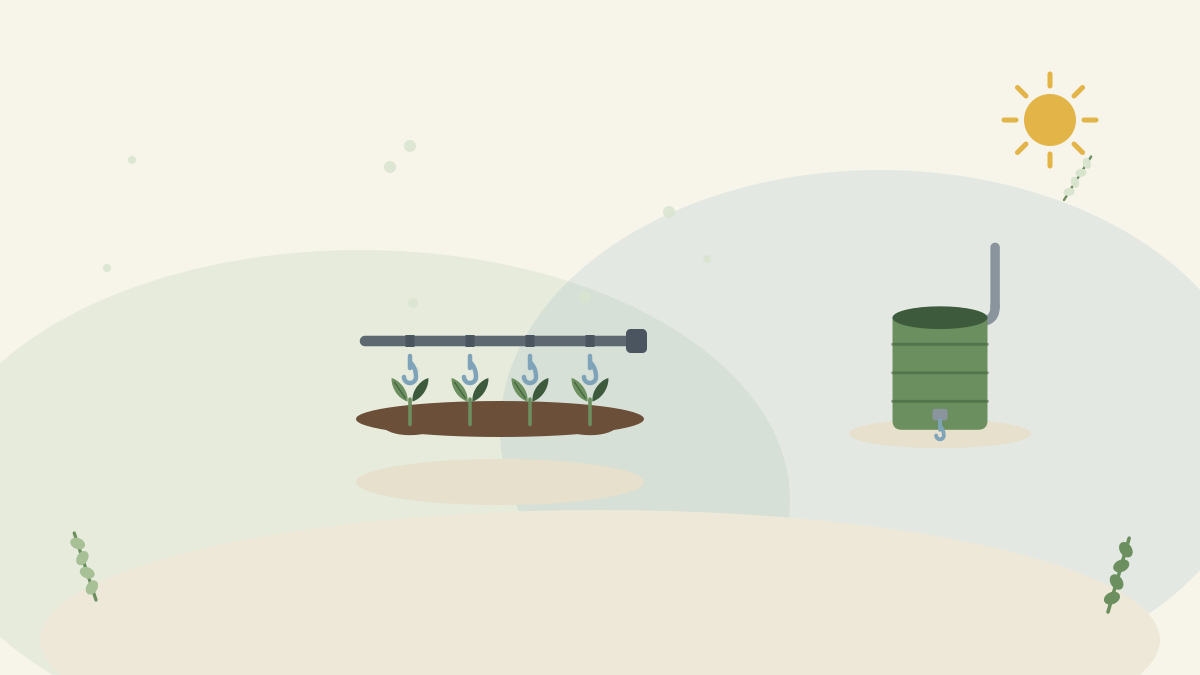
- Near water, ideally with a butt fed from the greenhouse roof, since nothing inside receives rain.
- Consider what it shades. A greenhouse casts a significant shadow, and putting it where it shades your vegetable beds defeats the purpose.
- Check planning and tenancy rules for larger structures.
Ventilation: The Thing That Decides Everything
The FAQ names it as the single most important daily task, and the reason is stark: a closed greenhouse in sunshine can reach plant-killing temperatures within hours, even in spring when the outside air feels cool.
- Open vents and doors in the morning, close in the evening — every day through the growing season.
- Fit automatic vent openers. They need no power, cost little, and remove the main cause of greenhouse failure. If you buy one accessory, buy these — the same conclusion the cold frame guide reaches.
- Airflow prevents disease. Still humid air is what fungal problems need, which is why the mildew and plant disease guides keep returning to ventilation.
- Ventilate in winter too, on mild days. Stagnant damp air causes more winter losses than cold does.
- Roof vents matter more than door vents, since hot air rises — count them when comparing models.
Summer Heat and Winter Cold
| Season | Measures |
|---|---|
| Summer | Full ventilation; shade paint, netting or blinds; damp down the floor on hot days to cool by evaporation and raise humidity |
| Winter | Decide frost-free versus sheltered — heating to warm is expensive. Bubble-wrap insulation inside the frame, group plants together, thermostatic heater only if needed |
| All year | Clean the glass annually, ideally in winter when light is scarcest — the winter checklist's job |
Many gardeners run an unheated greenhouse and treat it as frost-protected rather than frost-free, which is far cheaper and covers most needs.
Watering
- Nothing inside gets rain. Everything depends on you, daily in summer — often twice on hot days.
- Water in the morning where possible, so foliage and surfaces dry before night.
- Water at the base, not over the leaves, for the disease reasons the plant guides give.
- Capture the roof runoff into a butt — a greenhouse roof is a substantial catchment, as the rainwater guide notes.
- Consider automated irrigation if you are away regularly; a greenhouse is unforgiving of missed watering.
- Damping down in hot weather serves both cooling and humidity.
Fitting It Out
An empty greenhouse is a shell, and a few additions make the difference between a usable space and a frustrating one. Staging along at least one side gives working height for potting and somewhere to stand seed trays, and slatted staging allows air movement beneath in a way solid shelving does not. A border along one side, planted directly into the ground, suits tall crops such as tomatoes and cucumbers far better than pots because the soil volume buffers water and nutrients — though it needs the soil refreshing or rotating to avoid disease building up. Shelving high on the frame holds seed trays in spring when every surface is full. A thermometer — ideally a maximum-minimum one — is the cheapest useful instrument you can add, since it tells you what actually happened while you were out, and most people are startled by the figures. Water storage inside, a filled can or a small butt, means you water at ambient temperature rather than shocking plants with cold water. And a hook rail for tools keeps them off the staging you need for plants.
Greenhouse Hygiene
The enclosed conditions that suit plants also suit pests and diseases, so hygiene matters more under glass than anywhere else in the garden. The annual clean-out — best done in winter when the greenhouse is emptiest — means washing the glazing inside and out, scrubbing staging and frame crevices where pests overwinter, cleaning pots and trays before reuse, and clearing debris from corners and under benches. During the season, the habits are: remove dead leaves and spent plants promptly rather than letting them lie, avoid leaving standing water around, clean up spilt compost, and keep tools clean between plants where disease is present. Replace or refresh border soil periodically if you grow the same crop in it year after year, since soil-borne problems accumulate in a way they do not in a rotated outdoor bed. None of this is demanding, but skipping it is how a greenhouse ends up with a permanent whitefly population and recurring fungal problems.
The Greenhouse Year
- Late winter: the earliest sowings, forced rhubarb, chitting potatoes, and cleaning the glass while it is empty.
- Spring: the peak season — seed raising, pricking out, growing on, and hardening off (though a cold frame does that job better).
- Summer: tender crops in the ground or in large pots — tomatoes, peppers, cucumbers, aubergines. Shading, ventilating and watering daily.
- Autumn: extending harvests, rooting cuttings, sowing overwintering salads, and bringing tender plants under cover.
- Winter: overwintering tender plants and hardy cuttings, storing dormant plants, and the annual clean-out — wash the glass, scrub staging, and check for overwintering pests.
Pests and Problems Under Glass
A greenhouse is a warm, sheltered, predator-poor environment, which suits pests as much as plants. Whitefly, red spider mite, aphids and mealybug all thrive under glass, and populations build faster than outdoors because the natural enemies the beneficial insects guide describes are largely absent. The practical responses: inspect regularly, especially leaf undersides; quarantine new plants before introducing them; keep humidity up, since red spider mite specifically prefers hot dry air; ventilate, which limits fungal problems; and use biological controls, which work far better under glass than outdoors because introduced predators stay where you put them — the one setting where buying them is clearly worthwhile. Clean thoroughly each winter, since pests overwinter in frame crevices and under staging, and the annual clean-out breaks the cycle.
Running Costs and Second-Hand
The purchase price is only part of what a greenhouse costs, and it is worth seeing the whole picture before committing. Ongoing costs include replacement panes or panels, shade paint or netting, staging, any heating you decide on, and the water you will use — which is considerable, since nothing inside receives rain, and is the strongest argument for a butt fed from the greenhouse roof. Second-hand greenhouses are widely available and often free to anyone who will dismantle and remove them, which makes them excellent value: the frame is usually sound, and glass can be replaced individually. The caveats are real though — dismantling a glazed greenhouse is genuinely hazardous work needing gloves, eye protection and at least two people, old glass is heavy and breaks unpredictably, and you should count the panes and check the frame for corrosion before agreeing to take it. Budget for a proper base regardless of how you acquire the structure, since that is what determines whether it sits square and lasts.
Alternatives Worth Considering
- Cold frame — a fraction of the cost, does much of the job, buildable in an afternoon.
- Polytunnel — more growing space per unit cost than a greenhouse, less attractive, and the cover needs replacing every few years.
- Mini lean-to greenhouse — a shelved unit against a wall, suitable for balconies and tiny gardens, though it overheats extremely fast and needs daily attention.
- Cloches and fleece — targeted protection where you need it, at almost no cost.
- A bright windowsill plus a cold frame covers most seed-raising needs, which is what most gardeners actually want a greenhouse for.
The Classic Mistakes
- Buying too small, then discovering it fills in a fortnight.
- Not ventilating, and cooking the contents on the first bright day.
- Siting it in shade or where it shades the vegetable beds.
- Skipping the proper base, so the structure never sits square.
- Underestimating the watering commitment.
- Trying to heat it warm rather than aiming for frost-free.
- Buying one when a cold frame would have done.
The Bottom Line
Ask first whether a cold frame would do, because for many gardeners it would — and it costs a fraction as much in money and garden space. If you genuinely need a greenhouse, buy larger than feels sensible, choose glazing by safety and exposure rather than fashion, and site it in full light on a proper level base where it does not shade your growing beds. Then commit to the two daily realities: ventilate every morning and close every evening, with automatic vent openers if you cannot guarantee being there, and water daily since nothing inside sees rain. Shade it in summer, aim for frost-free rather than warm in winter, clean the glass annually, and inspect for pests constantly. Managed that way a greenhouse genuinely extends what you can grow; managed badly it becomes an expensive shed with better light.


Comments
No comments yet. Be the first to share your experience.