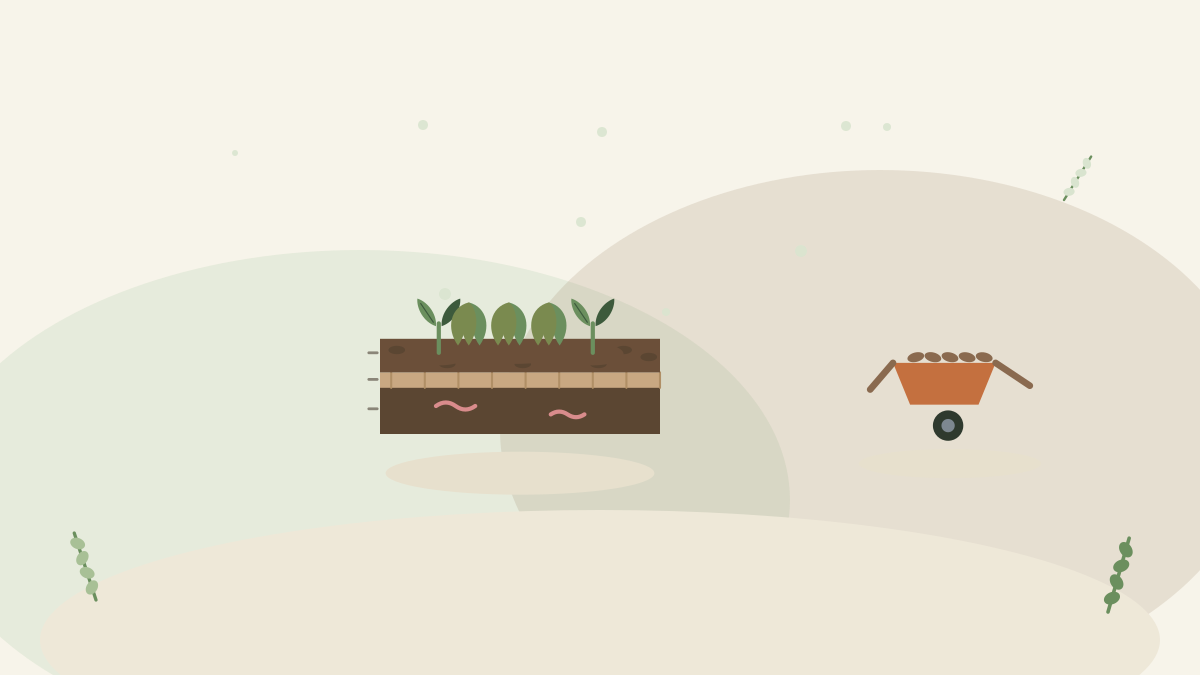
For most of gardening history, digging was simply what you did. Autumn digging, spring digging, double digging — the spade was the symbol of the serious gardener, and turning the soil over was assumed to be doing it a favour. Then people started leaving it alone and getting better results.
No-dig sounds like a shortcut and is often received as one, which does it a disservice. It is a coherent method with a clear logic: soil is a built structure and a living system, and disturbing it costs more than it gives. Feed it from the top, leave the structure intact, and you get fewer weeds, better drainage, healthier plants and considerably less work. This guide covers why it works, exactly how to start a bed over grass, what it costs in compost, and — importantly — where it is not the right answer.
Why Not Digging Works
The FAQ sets out the mechanism; it is worth unpacking because understanding it makes the practice obvious:
- Soil has structure, and it took years to build. Channels made by roots and worms, crumb-like aggregates, and air spaces are what let water drain and roots breathe. A spade destroys them in seconds.
- Soil is alive. Fungal networks, bacteria and invertebrates process organic matter and make nutrients available. Digging breaks the networks and disrupts the community — the soil-testing guide's living-soil argument, applied practically.
- Digging brings weed seeds up. The seed bank sits dormant in the dark; turning soil over delivers it to the light. This is why dug gardens weed so much more than undug ones, and it is the benefit gardeners notice first.
- Exposure burns organic matter. Turning soil over accelerates the breakdown of the organic matter you have been trying to build up.
- Nature does it this way. Woodland soil is fed entirely from above by falling leaves, and nothing turns it over. No-dig is simply that process, run deliberately.
What You Actually Get
| Benefit | In practice |
|---|---|
| Far fewer weeds | The biggest and most immediate gain — no seed bank being lifted into the light each year |
| Better moisture retention | The surface compost acts as mulch; beds dry out more slowly and need less watering |
| Improved drainage and structure | Intact channels and aggregates, plus rising organic matter, on every soil type |
| Less physical work | Spreading compost instead of turning soil — genuinely easier, and kinder to backs |
| Earlier planting | Compost-surfaced beds warm and drain faster in spring than heavy dug soil |
| Steady fertility | Annual compost feeds soil life rather than delivering a fertiliser spike |
Starting a Bed: The Cardboard Method
The FAQ has the outline; here it is step by step, and it genuinely works over grass:
- Cut or trample existing growth as low as you can. You do not need to remove it — it becomes organic matter.
- Water the ground if it is dry, since the process depends on damp conditions beneath.
- Lay plain brown cardboard across the whole area, overlapping generously at every join. Gaps are where weeds come through, and this is the step people rush. Remove all plastic tape, staples and glossy sections first.
- Spread compost on top — around 10–15 cm for a first bed. This is the growing layer.
- Plant straight away for most crops: make a hole in the compost and plant into it. Deep-rooted crops are better left until the cardboard has broken down, usually within a few months.
- Define the edges if you like — timber sides, or simply a clean edge cut into the surrounding grass. No-dig beds do not need frames, though frames keep compost tidy.
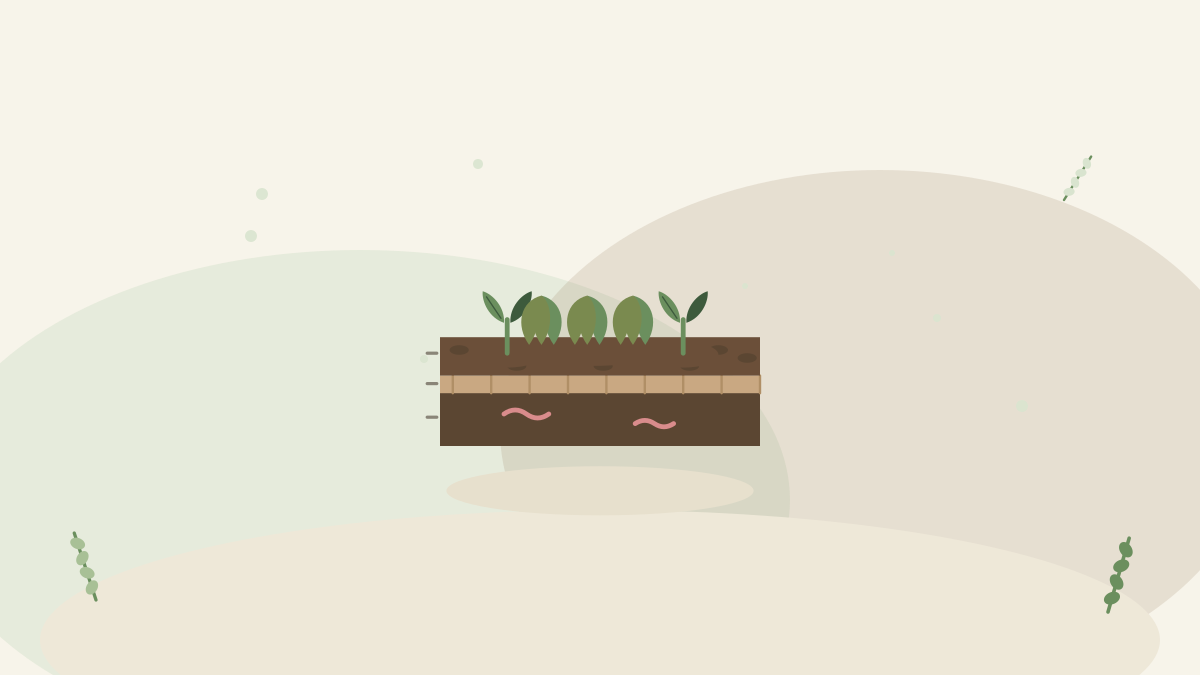
Beneath the cardboard, grass and annual weeds die in the dark and decompose in place, worms pull the compost downward, and the soil structure is never disturbed. By the following season the cardboard has largely disappeared and the bed is simply good soil with compost on top.
The Compost Question, Honestly
This is the method's real constraint, and the FAQ addresses it squarely: year one is compost-hungry; subsequent years are not. After establishment, an annual top-up of a few centimetres maintains everything.
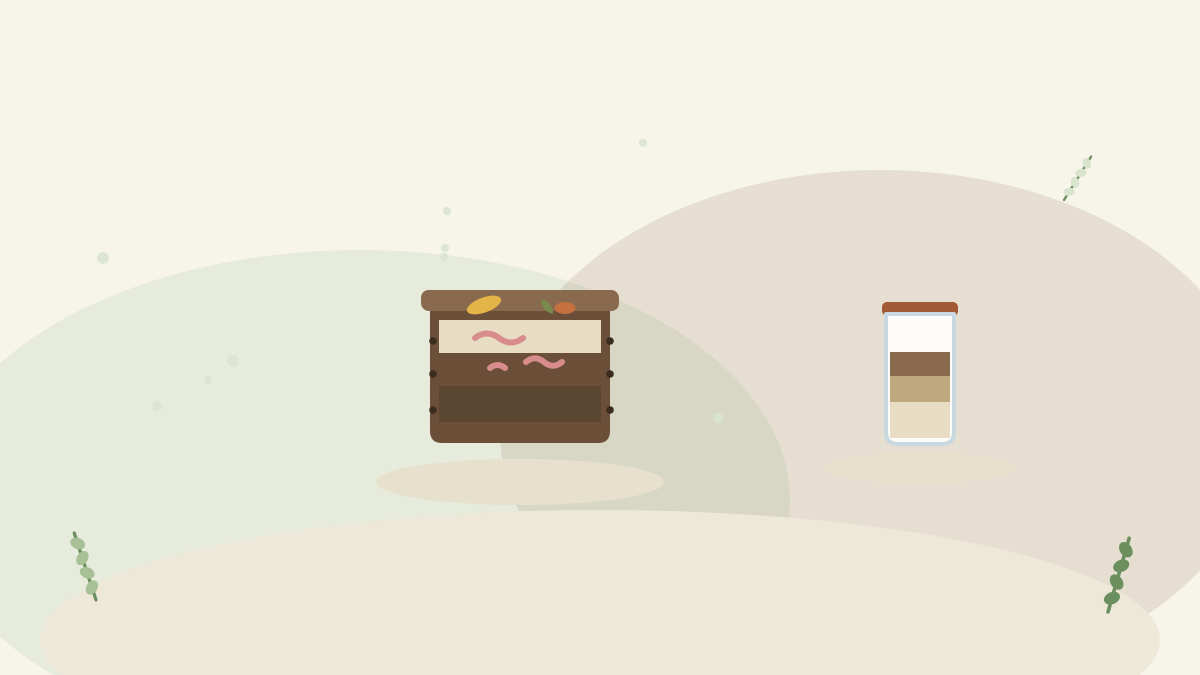
- Make as much as you can. The compost bin and worm bin become the engine of the garden rather than a side activity — this is where those guides pay off.
- Start with one bed, not the whole garden. Converting gradually spreads the cost across seasons.
- Bulk out the lower layers with leaf mould, grass clippings, and more cardboard, keeping the good compost for the top few centimetres where seeds and roots actually meet it.
- Buy in bulk rather than in small bags if you have somewhere to tip it — the price difference is substantial.
- Well-rotted manure and municipal compost are often the cheapest large-volume options where available and suitable.
One honest caveat on sourcing: compost quality varies, and imported material occasionally brings weed seeds or contamination. Buying from a reliable source matters, and homemade compost — where you know what went in — is the most trustworthy of all.
Living With a No-Dig Bed
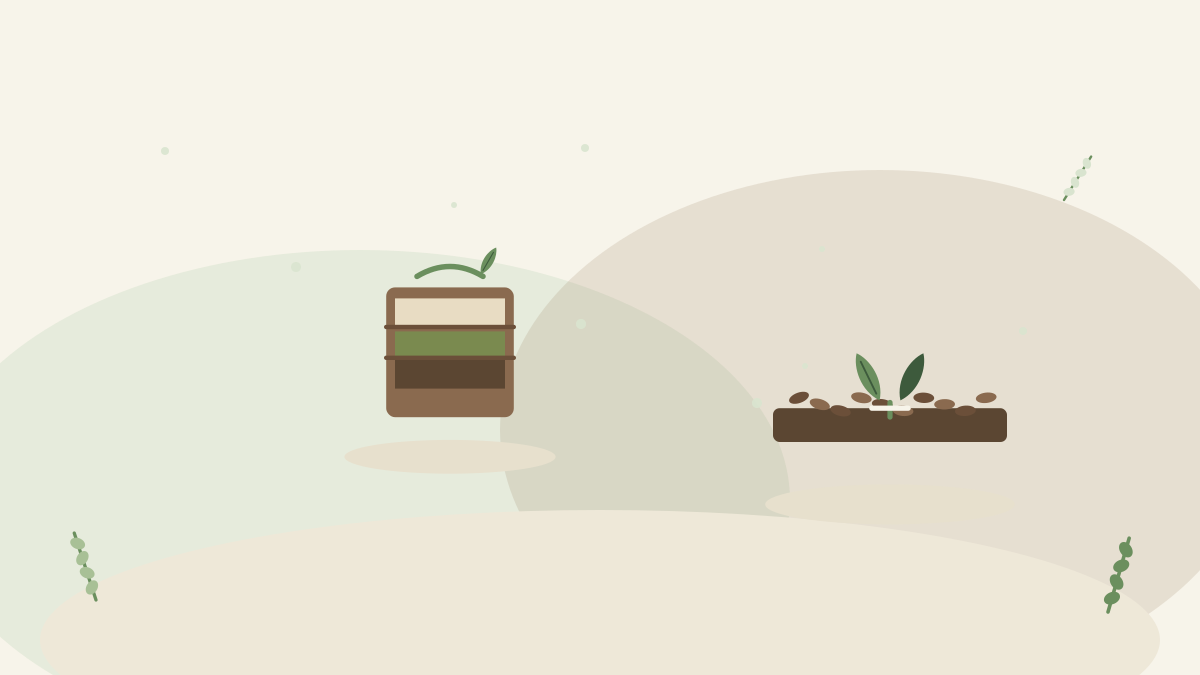
- Top up annually with a few centimetres of compost, ideally in autumn or late winter, spread over the surface. That is the entire soil-improvement programme.
- Weed by surface hoeing or hand-pulling. Weeds that do appear sit in loose compost and come out easily — one of the method's quiet pleasures.
- Do not walk on the beds. This matters more than in a dug garden, because the whole point is uncompacted structure. Keep beds narrow enough to reach across from paths.
- Plant straight into the compost layer, disturbing as little as possible — make a hole, plant, firm gently.
- Clear crops by cutting at the base rather than pulling, where practical, leaving roots to decompose in place and feed the soil.
- Keep the surface covered between crops with compost, a green manure, or a mulch — the weed guide's cover-the-soil principle, which no-dig takes to its conclusion.
What About Perennial Beds and Ornamentals?
No-dig is usually discussed in vegetable terms, but ornamental borders benefit at least as much and are arguably easier, since perennials are not being lifted and replanted each season anyway. The approach is the same: stop digging over the border in autumn, spread a few centimetres of compost across the surface each year, and let it work down. Perennials respond well — the mulch feeds them, holds moisture through summer, and suppresses the weed seedlings that otherwise colonise the gaps between clumps. Planting new perennials into an established no-dig border simply means opening a hole in the mulch layer and planting into the soil beneath. The perennial guide's advice about spacing for mature size matters more here than in a dug garden, because you want the plants themselves to close the canopy and shade the ground — living ground cover and surface mulch together are what make an ornamental border genuinely low-maintenance.
Where No-Dig Is Not the Answer
The FAQ's honesty is worth keeping in view, because oversold methods disappoint people:
- Seriously compacted ground — building rubble, driven-over soil, machinery damage — usually needs an initial mechanical loosening before no-dig maintenance can take over.
- Established perennial weeds such as bindweed and couch grass are suppressed rather than killed, and often push through. Badly infested ground needs longer smothering or proper removal first, per the weed guide's three approaches.
- Very deep root crops want adequate depth of loose material — fine in established beds, less so in a thin first-year layer.
- No compost supply means an underfed bed. A hybrid of minimum disturbance plus whatever mulch you can manage beats a starved no-dig bed run on principle.
The principle worth carrying into any of these situations is minimum disturbance — dig only where you genuinely must, and only once.
Converting an Existing Garden
Most people come to no-dig with a garden already in place rather than a blank lawn, and the transition is simpler than starting from scratch. For beds already under cultivation, you do not need cardboard at all — simply stop digging and start mulching: spread a few centimetres of compost over the surface each year and let the worms take it down. The soil structure begins rebuilding immediately, and within two or three seasons the difference in weed pressure and moisture retention is obvious. For paths between beds, cardboard topped with wood chip works well and suppresses the weeds that otherwise seed into the beds. The one adjustment worth making early is defining permanent beds and paths so you never walk on growing areas again, since the whole method depends on uncompacted soil. If your garden currently has no fixed layout, marking that out is the single most useful thing to do before the first compost goes down — it costs nothing and it determines whether the structure you are protecting stays protected.
No-Dig in Containers and Small Spaces
The logic scales down, though the vocabulary changes. In containers, the equivalent of no-dig is top-dressing rather than repotting whenever the plant does not genuinely need more root room — scraping off spent surface compost and replacing it, as the repotting and container guides describe, which refreshes nutrients without disturbing roots. In raised beds, no-dig is arguably at its best: fill once, top up annually, never dig, and the bed simply improves. On balconies and patios, the transferable principle is that soil life matters in pots too, so feeding with compost and worm castings rather than only with liquid fertiliser builds something closer to real soil. In every case the underlying idea is the same: disturb roots and structure as little as the situation allows, and feed from the top.
The Classic Mistakes
- Skimping on cardboard overlaps, then wondering where the grass came through.
- Leaving plastic tape and staples on the cardboard.
- Too thin a compost layer in year one, so weeds break through and roots have little to grow in.
- Walking on the beds and compacting the structure the method exists to protect.
- Expecting it to kill bindweed and being disappointed when suppression is not eradication.
- Converting the entire garden at once and running out of compost halfway.
- Digging "just this once" to plant something, and reintroducing the seed bank to the surface.
The Bottom Line
No-dig is not laziness dressed up as method — it is a recognition that soil is a structure and an ecosystem rather than a substance to be turned over. Start a bed by flattening what is there, laying well-overlapped plain cardboard, and spreading 10–15 cm of compost on top; plant into it immediately and let the worms do the incorporating. After that, top up a few centimetres each year, stay off the beds, weed lightly from a surface that makes weeding easy, and keep the ground covered. Be honest about the exceptions — compaction, deep perennial weeds, and compost supply — and hybridise where you must. Do that, and the garden gets better every year while asking less of you, which is the closest thing to a free lunch that gardening offers.
Comments
No comments yet. Be the first to share your experience.