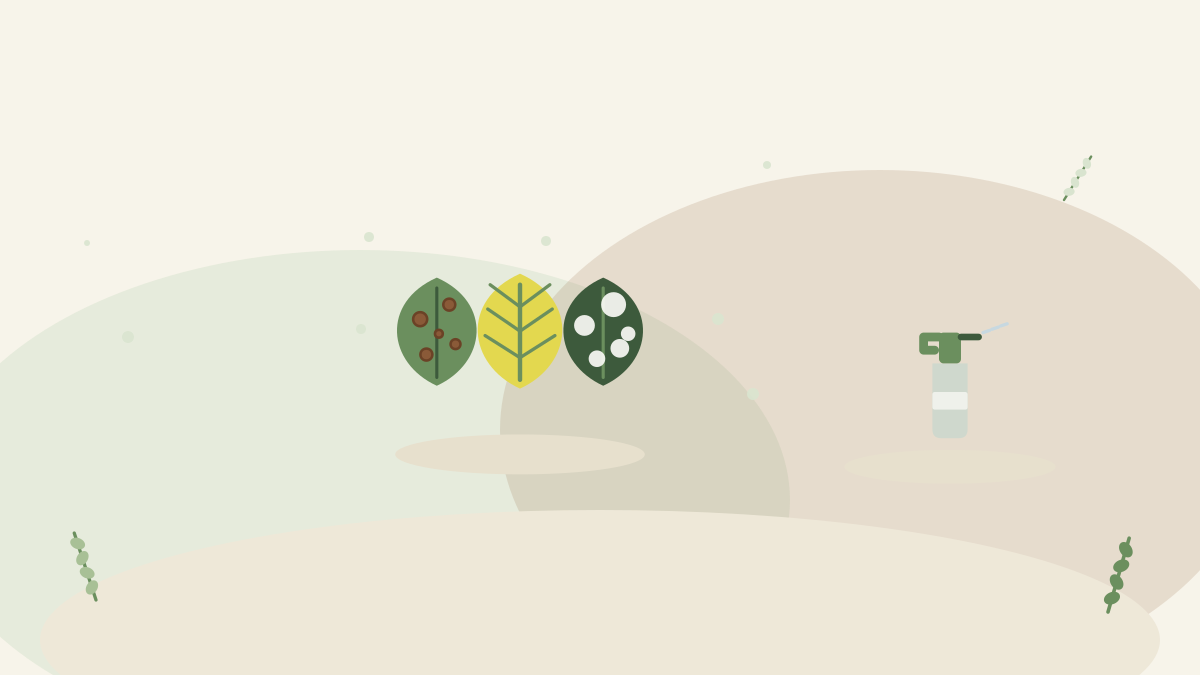
A plant looks wrong. The leaves are yellowing, or spotted, or the whole thing is wilting, and the instinctive next step is to work out which disease it has and buy something to treat it. That sequence is backwards, and it is why so much garden spraying achieves nothing.
The reliable approach starts with growing conditions, because most plant problems in gardens are cultural rather than pathological — water, light, drainage, nutrition or position — and no fungicide fixes a drainage problem. This guide gives you a diagnostic sequence to work through in order, the symptom patterns worth learning to read, and an honest account of when to treat, when to change conditions, and when to give up on a plant.
The Diagnostic Sequence
Work through these in order. The first three cost nothing and solve most problems:
- Water. Feel the soil, several centimetres down, before doing anything else. Both extremes are extremely common and can look similar (see below).
- Light and position. Is the plant getting what its species needs? The houseplant light guide's central point applies outdoors too: our eyes are poor judges, and light shortage masquerades as many other problems.
- Roots and drainage. Actually look. Slide a pot plant out; check whether a bed is waterlogged. Healthy roots are firm and pale; rotting ones are dark, soft and sour-smelling.
- Pests. Inspect closely, especially leaf undersides and growing tips — where the whitefly and thrips guide points out that almost everything hides.
- Nutrition and soil. Is the plant being fed, is the soil suitable, is pH plausible for the species?
- Disease. Only now. And even here, note that most fungal problems are driven by conditions — crowding, damp foliage, poor airflow — which brings you back to the earlier steps.
Overwatering vs Underwatering
The FAQ explains why this matters more than any other distinction: the instinctive response to wilting is to water, which saves one plant and kills the other.
| Underwatered | Overwatered | |
|---|---|---|
| Soil | Dry, may shrink from pot edge | Wet, soggy, sometimes smelling sour |
| Leaves | Wilting but firm and crisp | Limp, soft, often yellowing or translucent |
| After watering | Recovers quickly, often within hours | No improvement, or worsens |
| Roots | Firm and pale, possibly dry | Dark, soft, mushy, sour |
| Recovery | Usually good | Difficult once rot is established |
Check the soil first, every time. It takes seconds and prevents the most common fatal mistake in plant care.
Reading Leaf Symptoms
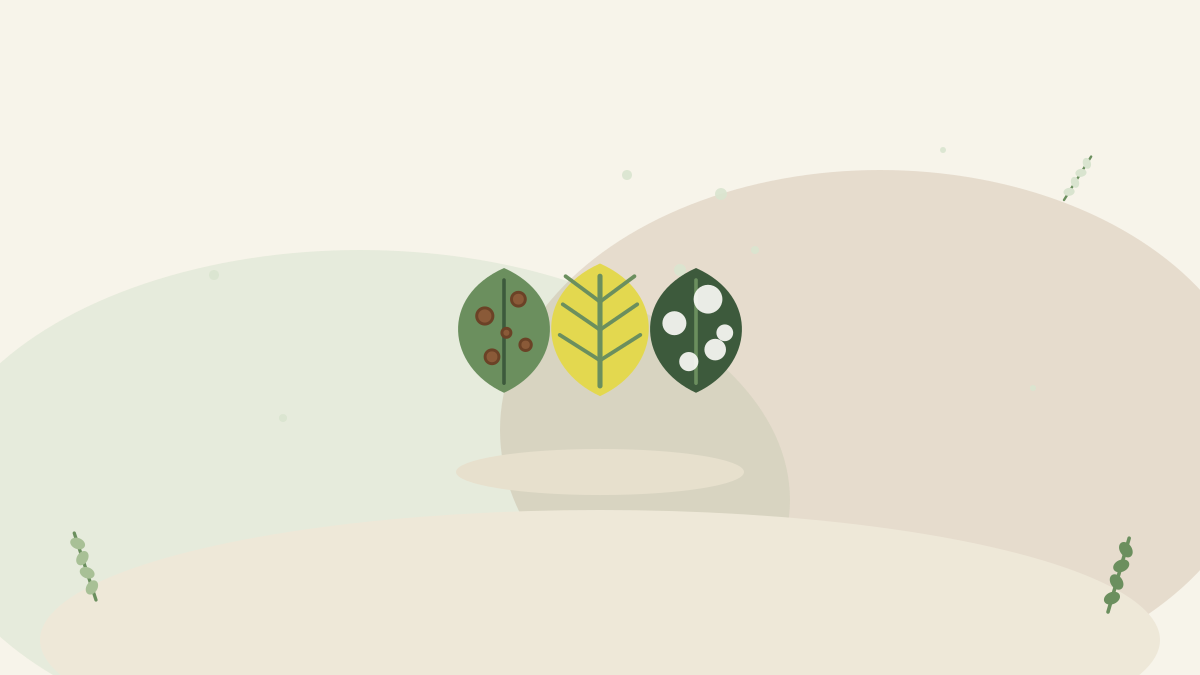
The FAQ's principle is the key: the pattern matters more than the colour — where it starts, how it spreads, and what the surrounding conditions are.
| Symptom | Common causes | First check |
|---|---|---|
| Older lower leaves yellowing first | Nitrogen shortage, or normal aging | Feeding history; whether new growth looks healthy |
| Yellow between green veins | Nutrient availability issue (often iron or magnesium), frequently pH-related | Soil pH and plant's pH preference |
| Uniform yellowing, soggy soil | Overwatering, poor drainage | Soil moisture and drainage holes |
| Crisp brown tips and edges | Dry air, drought, salt build-up from feed or hard water | Watering consistency; indoor humidity |
| Defined spots, spreading in damp weather | Fungal or bacterial leaf spot | Airflow, overhead watering, crowding |
| White powdery coating | Powdery mildew | Airflow and water stress — see the mildew guide |
| Fine speckling with faint webbing | Spider mite | Leaf undersides; dry warm conditions |
| Distorted new growth | Sap-sucking pests, or herbicide drift | Growing tips for aphids; recent spraying nearby |
| Sticky leaves, black sooty coating | Honeydew from aphids, whitefly or scale | Undersides and stems for the insects producing it |
| Sudden wilting despite moist soil | Root or stem rot, vascular disease | Roots and stem base |
| Holes and chewed edges | Slugs, caterpillars, beetles — not disease | Look at night for slugs; check for droppings |
| Pale, stretched, leggy growth | Insufficient light | Position and distance from the window |
Prevention: The Habits That Remove Most Problems
Nearly every diagnosis in this guide points back to the same short list of practices, which is worth stating plainly because it is cheaper than any treatment. Water at the base rather than over the foliage, in the morning, so leaves are dry going into the night. Space plants properly so air moves between them, and thin congested growth. Choose resistant varieties and plants suited to your conditions. Rotate crops so soil-borne problems do not build. Clear diseased material promptly and bin rather than compost it. Quarantine new plants before adding them to a collection. Feed the soil with organic matter rather than relying on liquid feeds. Do those seven things and the number of problems needing diagnosis at all drops sharply.
The Non-Diseases: Problems That Look Like Disease
- Normal aging. Plants shed old lower leaves. A few yellowing leaves at the base of an otherwise thriving plant is not a problem.
- Transplant shock. Wilting and dropped leaves after planting or repotting are normal and temporary, as the repotting guide notes.
- Midday wilting in heat. Many plants wilt in strong sun and recover by evening — the summer checklist's rule is to judge at dusk, not at noon.
- Scorch. Pale or brown patches after a move into stronger light, or from water droplets in fierce sun.
- Frost damage, which looks catastrophic and often is not — the frost guide's scratch test settles it.
- Salt and mineral build-up — white crust on compost or pot rims, from feeding and hard water. Flush the pot or top-dress.
- Wrong plant, wrong place. A shade plant in full sun or an acid-lover in alkaline soil will never look right, and no treatment changes that.
When It Is Genuinely a Disease
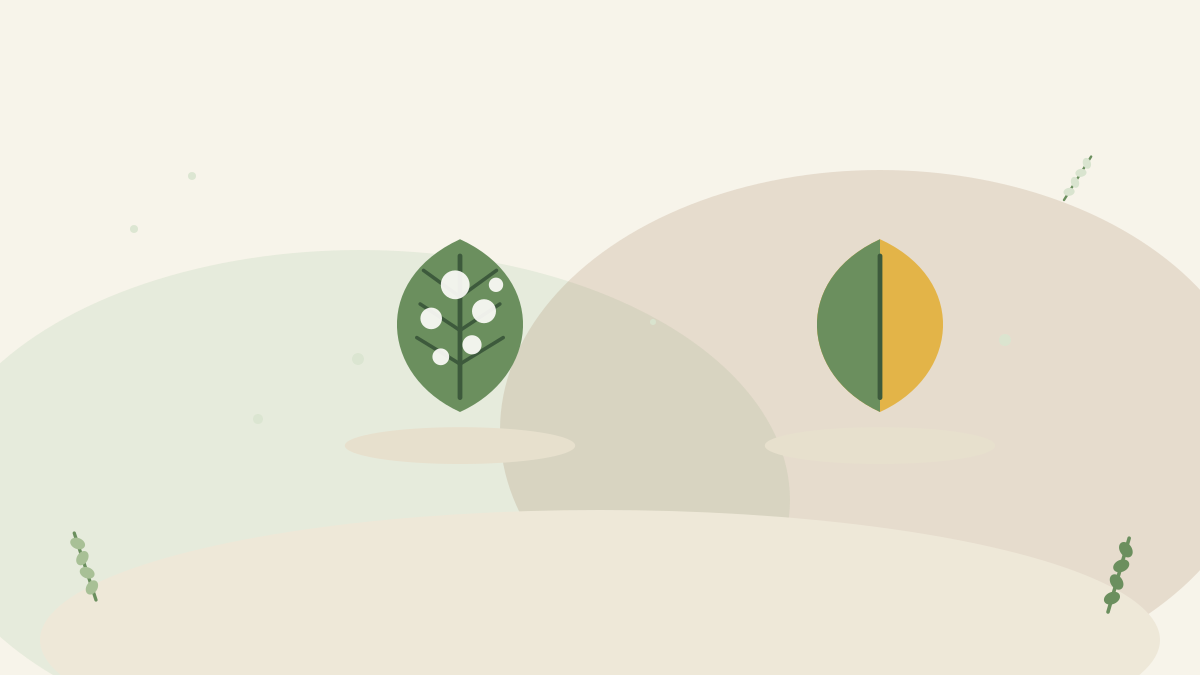
Real plant diseases fall into broad groups, and knowing which you are dealing with shapes the response:
- Fungal — much the largest group in gardens: mildews, rusts, leaf spots, blights, root rots. Nearly all are encouraged by damp conditions, crowding and poor airflow, which is why the prevention advice across this site is so consistent.
- Bacterial — less common; often water-soaked spots, soft rots or cankers. Rarely treatable at home; hygiene and removal are the response.
- Viral — mottling, streaking, distortion, stunting. No cure exists, spread is often by sap-sucking pests, and removal is the responsible action.
- Root and vascular diseases — wilting despite moist soil, dieback, and discoloured tissue inside stems. Often serious and frequently linked to waterlogging.
The honest position: for home gardeners, prevention and cultural control do more than treatment. Airflow, base watering, hygiene, resistant varieties, crop rotation and not crowding plants prevent most of what would otherwise need spraying.
Nutrient Deficiencies, Briefly
Deficiency symptoms are commonly misread as disease, and a few patterns are worth recognising — with one large caveat attached. Nitrogen shortage shows as general pale yellowing starting on the older lower leaves, with weak growth, because the plant moves nitrogen from old leaves to new ones. Iron shortage shows the opposite pattern — yellowing between green veins on the newest leaves — and is very often not a shortage in the soil at all, but an availability problem caused by alkaline conditions locking it up, which is why acid-loving plants like blueberries yellow in ordinary compost. Magnesium shows as yellowing between the veins on older leaves. Potassium shortage often shows as scorched leaf margins and poor flowering or fruiting.
The caveat: deficiency symptoms overlap heavily with root problems, pH issues and overwatering, because damaged or waterlogged roots cannot take up nutrients that are perfectly present in the soil. Feeding a plant whose roots are rotting makes things worse. So check drainage, roots and pH before assuming a shortage, and where soil is genuinely poor, the long-term answer is organic matter rather than repeated liquid feeds — the soil guides' position throughout.
Getting Help With Identification
Some problems genuinely need a second opinion, and knowing how to ask makes a considerable difference to the answer you get. Useful information to gather: clear photographs of the whole plant and close-ups of the affected parts, including leaf undersides; what the plant is, as precisely as you know; how long it has been happening and whether it is spreading; the growing conditions — indoors or out, pot or ground, sun or shade, watering routine; and what changed recently. Photograph the whole plant as well as the symptom, because context frequently reveals what a close-up cannot. Local nurseries, garden societies and extension or advisory services are often better sources than general internet searching, since they know regional conditions and prevalent problems. Plant identification apps can help narrow things down but should be treated as a starting point rather than a diagnosis, particularly for disease.
Building a Diagnosis: Questions Worth Asking
- Is one plant affected, or many? One plant suggests something local — its position, its pot, its roots. Many plants across species suggests weather, water quality, spray drift or a site-wide condition.
- Is it spreading, and how fast? Rapid spread points to disease or pests; static damage often means a one-off event like frost, scorch or a chemical.
- Which part started first? Old leaves, new growth, one side, the base — each points in a different direction.
- What changed recently? New position, repotting, feeding, weather, a neighbour spraying, a new plant introduced without quarantine.
- What are the conditions right now? Wet, dry, hot, humid, crowded, dark.
- Have you looked underneath? The single most skipped step, and where most pests are.
Photograph the symptoms and keep brief notes. Problems that recur seasonally become obvious across two years of records and invisible without them — the same argument the summer checklist makes for a garden notebook.
Acting on the Diagnosis
- Fix conditions first. Adjust watering, improve drainage, move the plant, thin for airflow, feed appropriately. This resolves the majority of problems and costs nothing.
- Remove affected material where disease is present, and bin rather than compost it.
- Isolate affected container and indoor plants, and quarantine anything new — the practice that prevents most indoor pest outbreaks.
- Escalate gently with pests: physical removal, water, soap and oil sprays before anything harsher, protecting the beneficial insects doing free work.
- Accept the incurable. Viral disease, established blight and severe rots mean removal — and the FAQ's wider point applies: a plant needing constant rescue is a plant in the wrong garden.
- Feed and water a recovering plant appropriately, but do not over-correct — a stressed plant does not want heavy feeding on damaged roots.
The Classic Mistakes
- Reaching for a treatment before checking water, light and roots.
- Watering a wilting plant without feeling the soil first.
- Never looking at leaf undersides.
- Diagnosing by colour alone rather than by pattern and context.
- Treating aging lower leaves as a disease.
- Composting diseased material and recycling the problem.
- Persisting with a plant that is fundamentally in the wrong conditions.
The Bottom Line
Diagnosing plant problems is a sequence, not a lookup. Check water first — feeling the soil rather than guessing — then light, then roots, then pests on the undersides, then nutrition, and only then disease, because the majority of what looks like disease in gardens is a growing condition in disguise. Read symptoms by pattern rather than colour, and ask the framing questions: one plant or many, spreading or static, old growth or new, and what changed recently. Fix conditions before treating, remove and bin genuinely diseased material, escalate gently with pests, and be willing to let go of plants that will never be happy where they are. Most plant problems are solved by observation and a change of habit rather than by anything in a bottle.


Comments
No comments yet. Be the first to share your experience.